
Japanese rolling pins, far more than kitchen tools, embody a rich aesthetic steeped in centuries of tradition and artistry. From the meticulously crafted wood to the subtly evocative patterns, these tools whisper tales of Japanese culture and meticulous craftsmanship. This exploration delves into the core characteristics of this aesthetic, examining its historical context, visual representations, practical applications, and modern interpretations.
The Japanese aesthetic, in its purest form, often blends functionality with artistic expression. The rolling pin, as a practical tool, becomes an object of beauty through the careful selection of materials, intricate design patterns, and a deep respect for the craft. This aesthetic speaks to the Japanese ethos of harmony and balance, finding reflection in both the form and the function.
Defining the Aesthetic
The Japanese rolling pin aesthetic transcends mere functionality; it embodies a deep connection to tradition, craftsmanship, and the natural world. This aesthetic is more than just a design; it’s a reflection of Japanese culture’s appreciation for beauty in simplicity, meticulous detail, and the inherent qualities of materials. It’s an understated elegance that resonates with a refined sensibility.This aesthetic draws heavily from centuries of cultural practices and philosophical influences.
The pursuit of harmony (wa) and balance (chōheki) in design is central to understanding the aesthetic. Materials, colors, and patterns all contribute to a unified visual narrative that evokes a sense of serenity and tranquility.
Core Characteristics
The Japanese rolling pin aesthetic is characterized by a blend of practicality and artistry. Its core features emphasize the natural beauty of the materials used, often featuring subtle textures and understated patterns. The aesthetic is not ostentatious; instead, it prioritizes a sense of understated elegance and refined simplicity. The design often reflects the natural grain and imperfections of the wood, showcasing the inherent beauty of the material.
Historical and Cultural Context
The Japanese rolling pin aesthetic has evolved over centuries, shaped by the country’s rich history and cultural values. Traditional Japanese craftsmanship emphasizes meticulous attention to detail and a deep respect for natural materials. This ethos has profoundly influenced the aesthetic, shaping its focus on quality materials and refined designs. The use of natural materials, like wood, embodies the respect for nature that is central to many aspects of Japanese culture.
Materials
Japanese rolling pins often feature wood as the primary material, with variations in species and finishes. Bamboo is another common material, particularly for lighter-weight options. The selection of wood is often based on its inherent beauty, grain patterns, and the desired texture. The natural variations in color and grain of the wood are often embraced, rather than hidden.
Other materials, such as polished stone or ceramic, may be incorporated for specific aesthetic effects. The choice of material often dictates the overall aesthetic, from the simple elegance of polished wood to the understated sophistication of stone.
Color Palettes and Patterns
Color palettes typically adhere to a natural, muted spectrum. Warm earth tones, such as browns, tans, and beiges, are frequently employed. These colors often complement the natural grain and texture of the wood. Patterns are often subtle, featuring simple lines, natural wood grain, or understated designs. The avoidance of overly bright or bold colors contributes to the overall sense of serenity and understated elegance.
This subtle color palette is in keeping with the broader Japanese aesthetic, which often favors harmony and balance.
Visual Elements
Key visual elements contributing to the aesthetic include smooth, polished surfaces, showcasing the natural beauty of the wood grain. The shape of the rolling pin, often elongated and cylindrical, further contributes to its refined appearance. The balance and proportion of the design are meticulously considered, reflecting the Japanese aesthetic’s emphasis on harmony. The overall effect is one of quiet sophistication, reflecting the Japanese appreciation for understated elegance.
Simple, uncluttered designs are prevalent, reflecting the pursuit of harmony and balance.
Visual Representations
The Japanese rolling pin, beyond its practical function, embodies a rich aesthetic steeped in tradition and artistry. Its visual representations offer a window into the cultural values and craftsmanship that have shaped its evolution. From the materials used to the intricate designs, each element contributes to the pin’s distinctive character.The visual language of the Japanese rolling pin speaks volumes about its cultural significance.
The interplay of form and function, combined with meticulous attention to detail, creates a visually appealing object that transcends its utilitarian purpose.
Examples of Japanese Rolling Pins
Japanese rolling pins showcase a remarkable diversity in design and aesthetic. The choice of materials, often influenced by regional traditions and available resources, further enhances their visual appeal. The table below provides examples of rolling pins, highlighting their visual characteristics and cultural context.
| Image | Description | Materials | Cultural Significance |
|---|---|---|---|
| A meticulously crafted wooden rolling pin, featuring intricate carvings of stylized flowers and leaves. The wood is a deep, rich brown, contrasting with the smooth, polished surface. | This rolling pin embodies the Japanese aesthetic of meticulous craftsmanship and attention to detail. The carvings are symbolic, possibly representing nature’s beauty. | High-quality hardwood, likely cherry or maple, with a polished finish. | Reflects the Japanese appreciation for nature and artistic expression. The carvings suggest a reverence for the natural world. |
| A simple, yet elegant, bamboo rolling pin. The natural grain of the bamboo is highlighted by a light, natural finish. | This rolling pin showcases the beauty of natural materials. Its unadorned simplicity emphasizes the functionality of the object. | Natural bamboo, untreated. | Symbolizes connection to nature and respect for natural resources. The unadorned design is indicative of a straightforward, yet elegant, aesthetic. |
| A painted rolling pin with vibrant, geometric patterns. The colors are bold and harmonious, and the design is precise. | The geometric patterns are a key element of traditional Japanese art. The bright colors suggest a playful and cheerful aesthetic. | Wood or bamboo with painted designs. | Reflects the aesthetic of traditional Japanese patterns and the vibrant color palettes used in decorative arts. |
| A rolling pin made of polished stone, with a smooth, rounded surface. | This rolling pin represents a more minimalist aesthetic, highlighting the beauty of the stone itself. | Polished stone (e.g., granite or slate). | Demonstrates the use of sophisticated materials and the appreciation for natural textures in Japanese aesthetics. |
Depicting the Aesthetic Through Imagery
Visual representations are crucial in conveying the Japanese rolling pin aesthetic. These images can evoke the spirit of tradition, craftsmanship, and natural beauty. Below are several examples of imagery:
- A close-up of a rolling pin’s intricate carvings, highlighting the detail and precision of the craftsmanship. This imagery emphasizes the artistry behind the tool. The image might also show the interplay of light on the carved surface.
- A rolling pin resting on a wooden countertop amidst a collection of Japanese cooking utensils, suggesting the context of traditional Japanese cuisine. This imagery depicts the rolling pin as an integral part of the culinary experience.
- A still life featuring a rolling pin alongside fresh produce, like rice, vegetables, and fruits. The imagery emphasizes the connection between the rolling pin and the natural ingredients of Japanese cuisine.
- A rolling pin being used to shape dough, capturing the essence of the rolling pin’s practical application in a traditional Japanese kitchen setting. The focus should be on the smooth, rhythmic motion of the rolling action.
Themes for Imagery
These themes can be used to evoke the essence of the Japanese rolling pin aesthetic:
- Nature and its influence on the aesthetics. Images showcasing the natural materials used in the rolling pins, such as bamboo or wood, would be fitting.
- Craftsmanship and precision. Images of the intricate carving or polishing process will effectively communicate the attention to detail.
- The rolling pin in a traditional Japanese kitchen setting. Images depicting the rolling pin in use, alongside other traditional cooking tools and ingredients, can convey its cultural context.
- Minimalism and elegance. Images of the simple forms and unadorned surfaces of the rolling pin can communicate the aesthetic of understated elegance.
Impact of Lighting
Different lighting conditions significantly alter the visual appeal of the Japanese rolling pin aesthetic.
- Soft, diffused light can highlight the natural textures and grain of the wood or bamboo, creating a warm and inviting atmosphere.
- Strong, focused light can emphasize the intricate carvings and details on the rolling pin, showcasing the artistry of the craftsmanship.
- Natural light, such as sunlight filtering through a window, can create a sense of harmony and connection to the surrounding environment.
- Contrast between light and shadow can add depth and dimension to the rolling pin’s visual appeal, drawing attention to the forms and textures.
Practical Applications
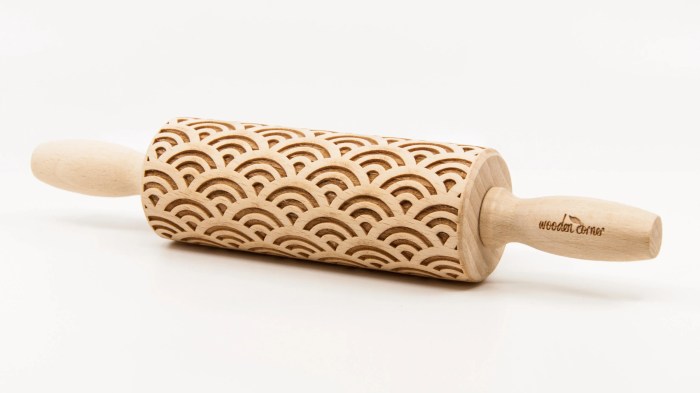
Japanese rolling pins, with their distinctive aesthetics, play a crucial role in culinary practices beyond mere decoration. Their functional design, informed by centuries of craftsmanship, enhances the baking and shaping process. The unique forms and patterns are not simply decorative flourishes; they directly influence the outcome of the culinary creations.The design of Japanese rolling pins is deeply intertwined with their practical use.
Their form, weight, and material selection are carefully considered to optimize the rolling process. This approach contrasts with mass-produced, less-refined alternatives, reflecting a dedication to achieving optimal results.
Common Culinary Uses
Japanese rolling pins are commonly used for creating a variety of doughs and pastries. Their consistent surface and often weighted design are particularly useful for working with delicate doughs and ensuring even thickness. This is crucial for achieving the desired texture and appearance in various baked goods.
Functionality and Craftsmanship
The functionality of a Japanese rolling pin hinges on its meticulous construction. The materials, often high-quality wood like cherry or beech, contribute to the pin’s weight and durability. The smooth, polished surface reduces friction, allowing the dough to glide easily without sticking. This consistent surface is vital for even thickness and preventing tearing or breakage in the dough.
The careful attention to balance and weight distribution also ensures a comfortable and efficient rolling experience.
Techniques in Shaping and Pattern Creation
The techniques used in creating the specific forms and patterns of Japanese rolling pins vary based on the artisan’s skill and the desired outcome. Traditional methods involve hand-carving or meticulously shaping the wood using specialized tools. This process often results in unique patterns, from simple lines to intricate designs, that are not only aesthetically pleasing but also influence the tactile experience of the rolling process.
The weight and shape of the pin, as well as the grain of the wood, affect the feel and the way the dough is handled. This integration of form and function is a defining characteristic of Japanese rolling pins.
Influence of Aesthetic Elements on Practical Use
The aesthetic elements of Japanese rolling pins, such as the subtle curves and intricate patterns, contribute to the overall experience of using the tool. The beautiful appearance and tactile qualities of the pin elevate the act of rolling dough from a purely functional task to a mindful and engaging experience. The visual appeal of the rolling pin can enhance the overall presentation of the final baked goods, contributing to the enjoyment of the culinary process.
Cultural Connections
The Japanese rolling pin, a seemingly simple tool, carries deep cultural significance, woven into the fabric of traditional Japanese life. Beyond its practical function, it embodies values of precision, craftsmanship, and respect for tradition. Its aesthetic is inextricably linked to the broader cultural context, reflecting a philosophy of harmony and balance.The rolling pin’s symbolism extends beyond mere functionality, deeply rooted in Japanese aesthetics and philosophy.
The intricate designs and materials often evoke concepts of nature, such as the flowing lines of bamboo or the rich hues of wood. This integration of natural elements reinforces the importance of respecting and appreciating the surrounding environment, a core principle in Japanese culture.
Symbolism of Japanese Rolling Pins
Japanese rolling pins, often crafted from high-quality wood, are imbued with symbolic meaning. The smooth, polished surface represents the meticulous attention to detail valued in Japanese artistry. The natural grain of the wood, a testament to its origin and craftsmanship, speaks to the importance of natural materials in traditional Japanese culture. The balance and symmetry of the design are seen as embodying harmony and balance in the universe.
A well-crafted rolling pin embodies the dedication to quality and precision in all aspects of life.
Role in Traditional Ceremonies and Rituals
Rolling pins, while not central to major ceremonies, play a part in various rituals and traditions. They are often used in the preparation of celebratory or ritualistic foods, underscoring their role in daily life. The use of a specific type of rolling pin for a specific food reflects the deep connection between preparation and the desired outcome, from a practical to a spiritual perspective.
The emphasis on meticulousness during the preparation process reinforces the significance of each step in the ritual.
Cultural Elements Reflected in Rolling Pin Design
Japanese rolling pin design often incorporates elements from other aspects of Japanese culture:
- Nature: The use of natural materials, like bamboo and wood, emphasizes the appreciation of nature’s beauty and resources. The natural grain and color variations in the wood are viewed as artistic elements in themselves.
- Craftsmanship: The intricate carving, polishing, and shaping techniques demonstrate the meticulous attention to detail that is highly valued in Japanese culture. The rolling pin serves as a testament to the skill and dedication of the craftsman.
- Symmetry and Balance: The symmetrical design of many rolling pins reflects the Japanese aesthetic preference for balance and harmony. This emphasis on order and balance extends beyond the rolling pin to encompass broader cultural values.
Comparison with Other Cultural Aesthetics
While the emphasis on natural materials and meticulous craftsmanship is present in various cultures, the specific symbolism associated with Japanese rolling pins often differs. For example, while some cultures may use rolling pins as a tool to achieve a specific aesthetic result in their food, the profound integration of natural elements and craftsmanship within the Japanese context is unique.
The Japanese rolling pin’s design, emphasizing natural materials, symmetry, and meticulousness, stands out in comparison to rolling pins in other cultures.
Design Variations
Japanese rolling pins, a testament to meticulous craftsmanship, exhibit a diverse array of styles and variations. Beyond their practical function, these tools often embody cultural nuances and aesthetic sensibilities, reflecting the rich history and artistry of Japanese design. From the subtle curves to the intricate patterns, each variation tells a story.The evolution of Japanese rolling pins is intricately linked to the evolution of Japanese aesthetics.
Changes in materials, patterns, and dimensions are not merely superficial alterations; they reflect evolving cultural preferences and technological advancements. Understanding these design variations provides a deeper appreciation for the enduring appeal and timeless craftsmanship of these essential kitchen tools.
Styles of Japanese Rolling Pins
Different styles of Japanese rolling pins cater to various culinary needs and aesthetic preferences. The most prevalent styles include the traditional rectangular, the more modern, rounded, and the uniquely shaped ones, designed for specific baking techniques. Variations in shape often influence the feel and control when rolling out dough.
| Style | Shape | Applications | Aesthetic |
|---|---|---|---|
| Traditional | Rectangular | General dough rolling | Classic, unadorned elegance |
| Modern | Rounded/Curved | Versatile dough rolling; visual appeal | Contemporary, flowing lines |
| Specialized | Unique Shapes (e.g., scalloped edges) | Specific dough types or decorative rolling | Intricate, artistic, functional |
Materials and Craftsmanship
Japanese rolling pins are often crafted from high-quality materials, each contributing to the tool’s durability and aesthetic appeal. The choice of material directly influences the feel, weight, and longevity of the rolling pin.
- Wood: Popular choices include seasoned hardwood like maple, cherry, or bamboo, renowned for their strength, even texture, and natural beauty. Traditional techniques of wood selection, drying, and shaping demonstrate meticulous craftsmanship, ensuring the rolling pin’s smooth surface and perfect balance. The natural grain of the wood adds visual interest and reflects the respect for natural materials in Japanese culture.
- Stone: Rarely used, but when employed, stone rolling pins provide exceptional durability and even rolling action. The choice of stone, its polishing, and the meticulous shaping process contribute to a unique and visually appealing aesthetic.
- Metal: Metal rolling pins, particularly those made of stainless steel or other alloys, offer exceptional durability and ease of cleaning. The sleek and modern aesthetic of metal pins resonates with contemporary preferences. The meticulous polishing and shaping techniques, while perhaps less pronounced than in wooden pins, still demonstrate the care and attention to detail in their creation.
Evolution of Design Patterns
The patterns on Japanese rolling pins often convey symbolic meanings or artistic aspirations. These patterns are not simply decorative; they frequently hold cultural significance.
- Geometric Patterns: Geometric designs, often found on traditional wooden rolling pins, evoke a sense of order and harmony, reflecting a deep-seated appreciation for symmetry and balance in Japanese aesthetics.
- Natural Patterns: Designs inspired by natural elements, such as leaves, flowers, or waves, are prevalent, often echoing the natural beauty that permeates Japanese art and culture.
- Lacquer and Inlay: The use of lacquer and inlay techniques adds depth and complexity to the design, creating visually stunning rolling pins that are both functional and works of art. The intricate details and rich colors of the lacquer often highlight the skill of the craftsman.
Size and Shape Variations
The size and shape of Japanese rolling pins are not arbitrary; they are carefully considered to optimize performance and aesthetic appeal. The dimensions of the rolling pin significantly influence the quality of the rolling action.
- Size: The size of the rolling pin directly correlates to the amount of dough it can roll and the size of the baking surface it can cover. Smaller pins are often used for delicate pastries, while larger pins are suitable for larger batches of bread.
- Shape: The curvature of the rolling pin can impact the evenness of the dough rolling. A consistent curve or a gradual taper allows for more control and even distribution of pressure when rolling.
Modern Interpretations
The enduring appeal of the Japanese rolling pin aesthetic transcends its culinary origins, finding new expression in contemporary design. This refined, minimalist approach, emphasizing functionality and natural materials, resonates with a modern sensibility prioritizing elegance and practicality. Contemporary artists and designers are exploring innovative ways to incorporate this aesthetic into various fields, from home décor to fashion, showcasing its adaptability and enduring influence.This evolving interpretation embraces the core principles of the traditional aesthetic while adapting them to contemporary needs and preferences.
This evolution showcases a thoughtful reimagining of traditional forms, incorporating modern materials and manufacturing techniques. The emphasis on simplicity and natural beauty remains central, but the application of these principles is broadened to encompass a wider range of creative endeavors.
Contemporary Design Adaptations
The minimalist and functional ethos of the Japanese rolling pin aesthetic translates seamlessly into modern design. Contemporary designers frequently incorporate elements of this aesthetic in furniture design, creating pieces that are both visually striking and highly practical. This often involves the use of natural materials like wood, bamboo, or stone, paired with clean lines and a focus on ergonomics.
For example, a coffee table made from polished, sustainable wood with a simple, rectangular design embodies this spirit.
Incorporations by Contemporary Artists
Contemporary artists are also drawing inspiration from the Japanese rolling pin aesthetic, using it as a springboard for their own creative expressions. This can manifest in various ways, such as incorporating the clean lines and natural materials into sculptures or paintings. Some artists might explore the symbolic connotations of the rolling pin, drawing parallels between its function and the processes of creation or transformation.
For instance, a sculptor might create a series of minimalist wooden forms that evoke the gentle, rhythmic motion of the rolling pin.
Home Décor and Fashion Applications
The aesthetic can be easily adapted for different contexts, including home décor and fashion. In home décor, the minimalist approach translates into furniture designs, tableware, and lighting fixtures. In fashion, designers might incorporate the clean lines and natural textures into clothing and accessories, creating pieces that feel both elegant and comfortable. A minimalist pendant light fixture crafted from woven bamboo, or a simple linen dress with clean lines, would exemplify this application.
Modern Products
Several modern products incorporate elements of the Japanese rolling pin aesthetic. These products often prioritize functionality, emphasizing the seamless integration of form and function. Examples include minimalist wooden cutting boards, sleek bamboo kitchen utensils, and natural fiber placemats. A particular example is a series of handcrafted wooden bowls with meticulously polished surfaces, showcasing the aesthetic’s emphasis on quality craftsmanship and natural beauty.
Materials and Craftsmanship
Traditional Japanese rolling pins, more than mere tools, embody a deep respect for materials and meticulous craftsmanship. The selection of wood, the precision of shaping, and the enduring techniques passed down through generations contribute to the aesthetic appeal and functional excellence of these culinary implements. Their beauty transcends their utilitarian purpose, reflecting a profound connection to nature and the cultural values of Japan.The artistry of Japanese rolling pins lies not just in the final product but also in the careful consideration of the materials used and the meticulous techniques employed in their creation.
Different types of wood, each with unique grain patterns and properties, are chosen based on the intended use and desired aesthetic. This selection process, combined with the skilled hand of the artisan, results in a piece that is both beautiful and functional.
Unique Characteristics of Materials
Japanese rolling pins often feature wood varieties known for their strength, durability, and aesthetic qualities. Hardwoods like Japanese cedar, cherry, and maple are commonly used, each exhibiting a distinct grain and color. The subtle variations in wood grain, from the vibrant hues of cherry to the rich tones of maple, contribute significantly to the visual appeal of the finished product.
These woods are carefully selected for their resilience to warping and splitting, ensuring the rolling pin’s longevity. Furthermore, the natural oils and resins present in these woods provide a natural resistance to moisture and wear.
Crafting Techniques
The creation of a Japanese rolling pin involves a series of precise steps, each emphasizing the artisan’s skill and dedication. The initial stages involve meticulous shaping of the chosen wood, often using hand tools to create a smooth and even surface. This process requires a deep understanding of wood grain and properties to avoid damaging the wood’s structure.
Subsequent stages focus on polishing and finishing the rolling pin, enhancing its tactile appeal and longevity. The emphasis on hand-crafted techniques and the avoidance of mass production contribute to the uniqueness and quality of each piece.
Exceptional Craftsmanship Examples
Numerous examples of exceptional craftsmanship in Japanese rolling pin design showcase the dedication to detail and artistry. The intricate carvings and inlay work on some rolling pins highlight the skill and precision of the artisans. Furthermore, the careful selection of wood and the harmonious integration of design elements create a visual masterpiece that transcends its practical use. Some artisan-made rolling pins are works of art, displaying exquisite patterns and designs that reflect the cultural heritage of Japan.
One such example could be a rolling pin with intricate wood carvings depicting traditional Japanese motifs.
Significance of Materials and Craftsmanship
The materials and craftsmanship employed in the creation of Japanese rolling pins directly influence their aesthetic appeal. The beauty of the wood grain, the smooth finish, and the delicate balance of form and function combine to create a truly remarkable object. The craftsmanship is not merely a technical skill but also a reflection of the cultural values that underpin Japanese aesthetics.
This commitment to quality and artistry elevates the rolling pin from a simple kitchen tool to a piece of enduring beauty and cultural significance.
Visual Inspirations
The Japanese rolling pin, a ubiquitous tool in Japanese kitchens, transcends its practical function, often reflecting intricate cultural and aesthetic sensibilities. Its design draws heavily from centuries of artistic and natural inspirations, shaping the tool into a powerful symbol of Japanese craftsmanship and aesthetic ideals. This exploration delves into the visual sources that inform the rolling pin’s unique appeal, showcasing how these inspirations shape the tool’s form, color, and overall design.
Potential Visual Inspirations
Japanese art, steeped in symbolism and meticulous detail, offers a rich tapestry of visual cues for rolling pin design. Traditional Japanese aesthetics, often characterized by a harmonious blend of nature and human creativity, directly influence the rolling pin’s design.
Examples of Historical Japanese Art and Architecture
Japanese woodblock prints, known for their use of bold lines and rich colors, can provide inspiration for patterns and color palettes on rolling pins. The serene landscapes in these prints, often featuring stylized depictions of nature, can inform the rolling pin’s form. The delicate beauty of traditional Japanese gardens, with their carefully arranged stones and plants, suggests a possible inspiration for the rolling pin’s subtle curves and meticulous detailing.
Examples include the works of masters like Hokusai and Hiroshige, which capture the essence of nature in a way that could translate directly to rolling pin designs. Similarly, the architectural style of traditional Japanese teahouses, with their minimalist designs and emphasis on natural materials, can serve as a source of inspiration for the aesthetic of the rolling pin, fostering a sense of calm and tranquility.
Adapting the Aesthetic to Different Color Palettes and Patterns
The inherent adaptability of the Japanese aesthetic allows for a wide range of color palettes and patterns. Traditional Japanese color schemes, often drawing on nature’s hues, like the deep greens of bamboo forests or the soft blues of mountain streams, can create a sense of tranquility and connection with nature. Bold, contrasting colors, inspired by vibrant floral patterns or bold calligraphy, can add a striking touch, reflecting a more dynamic and assertive aesthetic.
The choice of color palette and pattern will strongly impact the overall design, shifting the aesthetic appeal from serene minimalism to a more assertive and visually stimulating approach.
Impact on Overall Design and Aesthetic Appeal
The visual inspirations directly shape the overall design and aesthetic appeal of the Japanese rolling pin. The incorporation of natural forms, whether through subtle curves inspired by bamboo stalks or stylized representations of flowers, enhances the tool’s aesthetic appeal. The careful selection of color palettes and patterns evokes specific emotions and cultural associations, lending a distinct personality to each rolling pin design.
This careful consideration of visual inspirations creates a unique and evocative design that transcends mere functionality.
Contemporary Application
The minimalist elegance and functional design of the Japanese rolling pin, rooted in centuries of craftsmanship, offer compelling possibilities for contemporary application across diverse design disciplines. Its enduring appeal lies in its ability to transcend cultural boundaries, resonating with a modern aesthetic that prioritizes simplicity and refined utility. This adaptability makes it a valuable tool for designers seeking to inject a touch of timeless sophistication into their creations.The Japanese rolling pin aesthetic, with its emphasis on form and function, offers a powerful template for contemporary design.
Its inherent practicality, combined with its visually arresting qualities, makes it an attractive choice for a variety of design endeavors. From interior decor to product innovation, the subtle, yet profound influence of this aesthetic can be observed in a multitude of modern applications.
Potential Contemporary Applications
The inherent beauty and functionality of the Japanese rolling pin aesthetic translate seamlessly into diverse contemporary applications. Its clean lines and unadorned form provide a versatile backdrop for a range of design projects.
| Area | Potential Applications |
|---|---|
| Interior Design | Integrating rolling pin-inspired elements into furniture, lighting fixtures, and decorative accents. For instance, a minimalist coffee table with a subtle, rolling pin-like base or a pendant lamp featuring a sculpted rolling pin form could elevate a space. |
| Fashion | Employing rolling pin motifs in textiles, accessories, or even architectural elements of clothing design. Consider a kimono sleeve featuring a subtle rolling pin pattern or a handbag with a rolling pin-shaped handle. |
| Product Design | Developing innovative products with rolling pin-inspired handles or structures, such as kitchen utensils, tools, or even architectural components. |
| Graphic Design | Utilizing the rolling pin’s silhouette as a stylized element in logos, branding materials, and packaging. |
Contemporary Design Trends
Several contemporary design trends are inherently receptive to the influence of the Japanese rolling pin aesthetic.
- Minimalism: The aesthetic’s emphasis on simplicity aligns perfectly with the minimalist trend, which prioritizes clean lines, uncluttered spaces, and functional design.
- Sustainability: The focus on longevity and durability inherent in traditional Japanese craftsmanship aligns with growing concerns for sustainable design. Rolling pin-inspired designs can embody this commitment to lasting quality.
- Natural Materials: The Japanese rolling pin’s association with natural materials like wood, bamboo, and stone resonates with contemporary trends emphasizing natural materials and sustainable practices.
- Geometric Shapes: The aesthetic’s use of organic yet structured forms complements the growing interest in geometric shapes and patterns in contemporary design.
Unique and Innovative Product Designs
The adaptability of the Japanese rolling pin aesthetic allows for the creation of unique and innovative product designs.
- Kitchen Utensils: A rolling pin-inspired spatula or whisk could combine traditional functionality with a modern aesthetic. The shape could facilitate easier handling and better maneuverability.
- Furniture: A side table with a rolling pin-like leg structure could add a touch of visual intrigue and an element of surprise to a minimalist interior. The simple form would create a striking contrast with the table’s function.
- Architectural Elements: The rolling pin’s organic yet structured form could be used as inspiration for sculpted window frames, or in the design of modern stair railings, offering an element of visual interest while maintaining a functional design.
Adaptability and Modern Design
The Japanese rolling pin aesthetic transcends cultural and historical boundaries, demonstrating remarkable adaptability to different contexts and potential for modern design. Its core principles—form, function, and craftsmanship—offer a timeless framework for creating designs that are both visually engaging and practically functional. This adaptability positions the rolling pin aesthetic as a potent force in modern design.
Last Word
Ultimately, the Japanese rolling pin aesthetic transcends its utilitarian purpose. It embodies a harmonious blend of tradition, artistry, and functionality. Its enduring appeal lies in its ability to inspire and resonate with both the practiced artisan and the casual observer, highlighting the profound beauty found in the seemingly simple. This exploration provides a comprehensive understanding of this captivating aesthetic.
